.png)
Boost Efficiency with Real-Time Energy Monitoring

Energy management is no longer a guessing game. I rely on precise data to make smart decisions. Real-time energy monitoring transforms how I track and control energy use. It’s a game changer for renewable energy installers and businesses aiming to optimize performance and cut costs.
Unlock Real-Time Energy Benefits
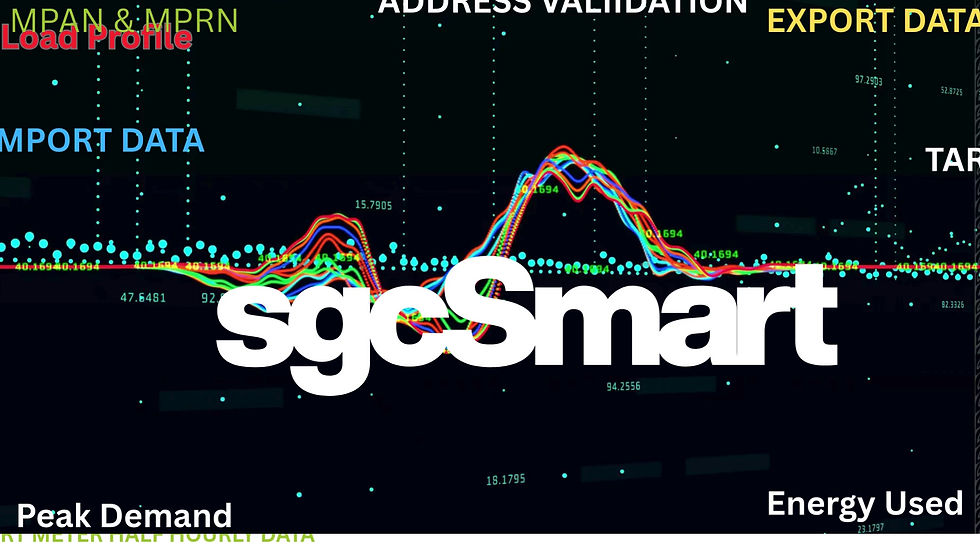
Real-time energy monitoring delivers instant insights. I see exactly how much energy is consumed at any moment. This clarity helps me spot inefficiencies fast. No more waiting for monthly bills or outdated reports.
Here’s what real-time energy benefits bring to the table:
Immediate feedback on energy use patterns.
Quick identification of energy waste.
Better load management to avoid peak charges.
Enhanced system performance through timely adjustments.
Data-driven decisions that boost ROI.
For example, I once helped a solar installation company reduce their energy waste by 15% within weeks. They used real-time data to adjust their system settings and schedule maintenance proactively.

How Real-Time Energy Monitoring Solutions Work
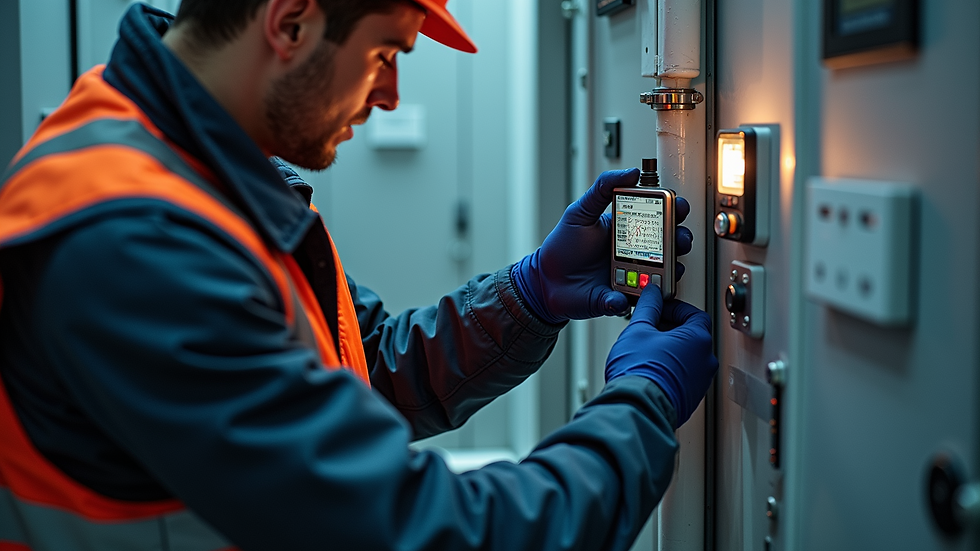
The core of this technology is smart meters and sensors. They collect energy data continuously and send it to a cloud platform. I access this data via dashboards or mobile apps. The information is clear, visual, and actionable.
Key components include:
Smart meters that measure electricity flow.
Sensors for temperature, voltage, and current.
Communication networks to transmit data instantly.
Analytics software to interpret and display results.
Using real-time energy monitoring solutions means I can track energy use down to individual devices or circuits. This granularity helps pinpoint exactly where energy is lost or overused.

Practical Steps to Boost Efficiency
Implementing real-time energy monitoring is straightforward. Here’s how I approach it:
Assess your current energy setup. Identify key points to install meters and sensors.
Choose a reliable monitoring platform. Look for user-friendly interfaces and strong analytics.
Set clear goals. Define what efficiency improvements you want to achieve.
Train your team. Ensure everyone understands how to use the data.
Act on insights. Adjust operations, schedule maintenance, and optimize loads based on real-time feedback.
For instance, scheduling heavy machinery during off-peak hours can reduce demand charges. Real-time data makes these adjustments precise and effective.
Overcoming Common Challenges
Some hesitate to adopt real-time monitoring due to perceived complexity or cost. I’ve found these concerns can be addressed easily:
Start small. Begin with critical areas and expand gradually.
Leverage cloud solutions. They reduce upfront hardware costs.
Use expert support. Partner with providers who offer installation and training.
Focus on ROI. Energy savings quickly offset initial investments.
Remember, the faster you act on real-time data, the sooner you see results. Delays mean missed opportunities to save energy and money.
Future-Proof Your Energy Strategy
Real-time energy monitoring is not just a tool - it’s a foundation for smarter energy management. As renewable energy systems grow more complex, real-time data becomes essential.
I recommend integrating monitoring with:
Automated controls for dynamic energy management.
Predictive maintenance to avoid downtime.
Energy storage systems for load balancing.
Demand response programs to reduce peak loads.
By embracing these technologies, you stay ahead in the renewable energy sector. You gain confidence in your designs and operations, backed by accurate, real-time energy usage data.
Real-time energy monitoring is a must-have for anyone serious about energy efficiency. It empowers you to act fast, save money, and improve system performance. Start today and watch your energy management transform.


Comments